
07 August, 2025
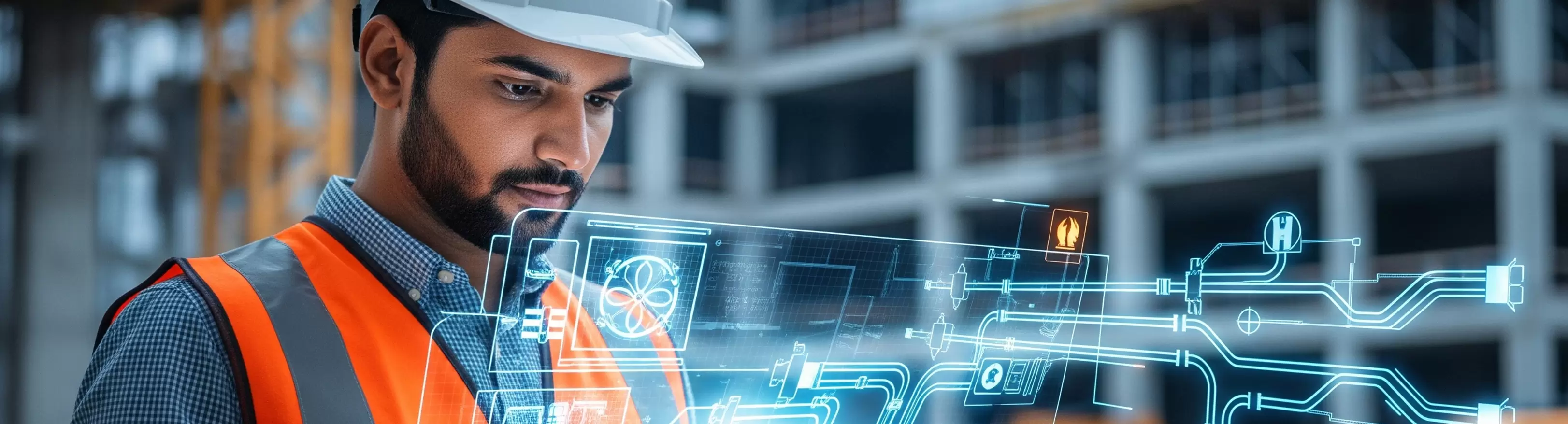
In today’s era of sustainable infrastructure, MEP (Mechanical, Electrical, and Plumbing) systems play a vital role in determining a building’s long-term energy performance. Efficient MEP installations are no longer just about functionality—they’re key drivers of energy conservation and cost savings.
At PIECO, we believe smart design and thoughtful execution go hand in hand. Here are the top five energy-saving practices that can significantly improve the performance and sustainability of any project:
1. Smart HVAC Design and Zoning
Heating, Ventilation, and Air Conditioning (HVAC) systems are among the largest energy consumers in any building. Using variable speed drives, inverter-based compressors, and automated zoning controls allows HVAC systems to run only when and where needed—cutting down waste and enhancing comfort.
2. LED Lighting with Automation
Switching to LED lighting systems, combined with motion sensors and daylight harvesting controls, can reduce lighting energy use by up to 50%. Proper lighting layout design also minimizes over-illumination, lowering both energy usage and heat generation.
3. Efficient Pumping and Water Management
In plumbing systems, energy can be saved by installing pressure-reducing valves, low-flow fixtures, and demand-based booster pumps. Smart plumbing layouts that reduce pipe length and frictional losses also enhance efficiency.
4. Building Management System (BMS) Integration
Integrating MEP systems into a centralized BMS enables real-time monitoring and control of energy-consuming equipment. With predictive maintenance alerts, load scheduling, and performance analytics, energy savings can be maximized without compromising on comfort or safety.
5. Renewable Energy Integration
Wherever feasible, integrating solar panels, solar water heaters, or energy recovery systems can significantly offset power consumption. PIECO’s MEP designs accommodate renewable sources early in the design phase to ensure compatibility and long-term value.
Adopting energy-saving practices during MEP installation not only reduces utility bills but also contributes to environmental sustainability and building compliance. With PIECO’s expertise in integrated, future-ready MEPF solutions, energy efficiency becomes a built-in advantage—not an afterthought.
Looking to optimize your next project? Let’s build smarter, together.

12 June, 2025
Proper MEPF integration ensures that all building services work in harmony. It reduces rework, improves safety, and supports faster project delivery — making it essential for smart, efficient construction in today’s world....
Read More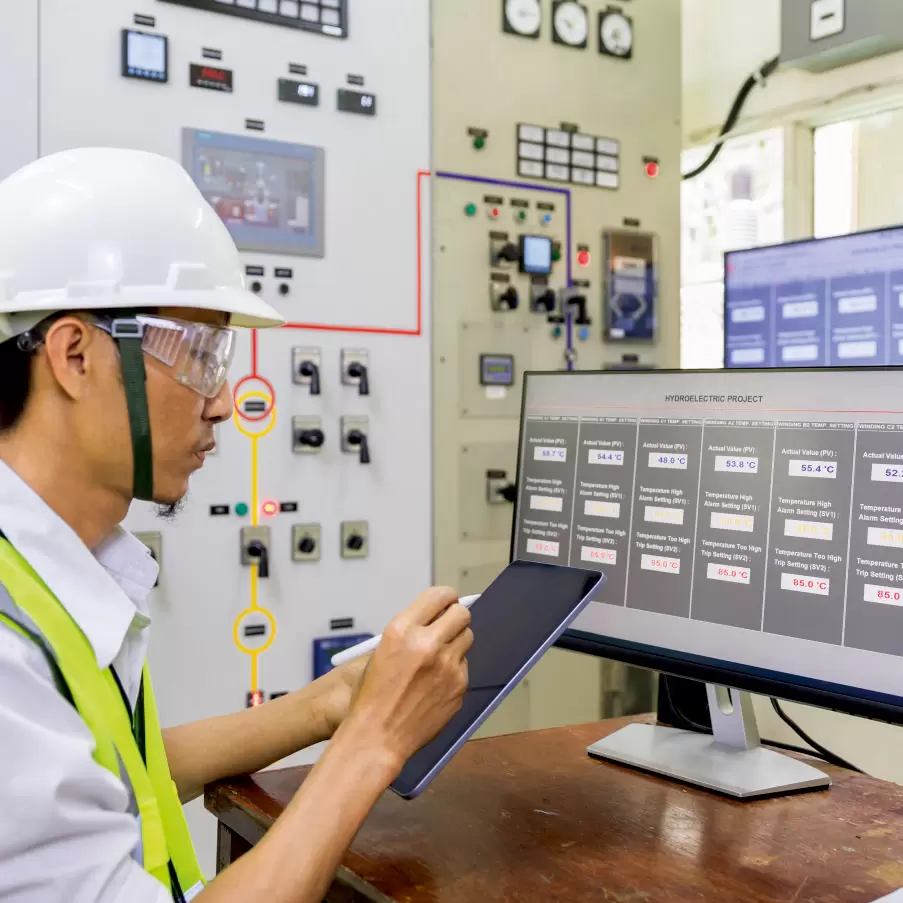
07 August, 2025
From efficient lighting systems to smart HVAC designs, energy-saving practices in MEPF not only cut operational costs but also help achieve sustainability goals — crucial for eco-conscious construction and long-term building performance....
Read More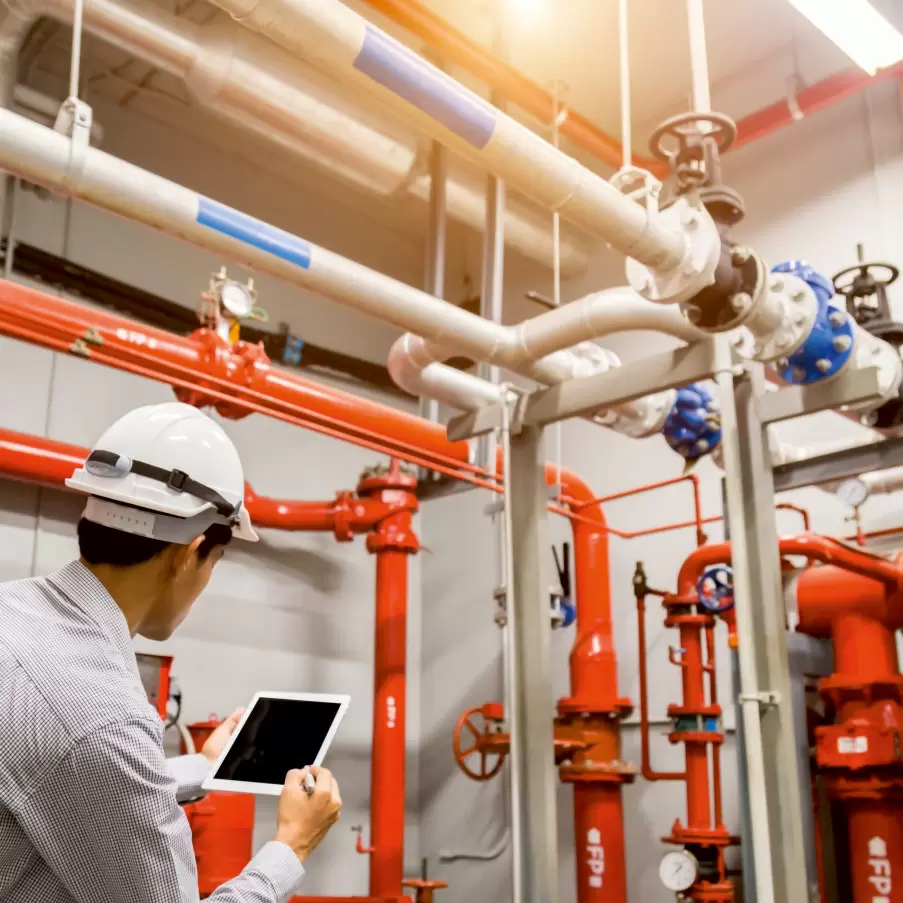
07 August, 2025
Fire fighting systems play a critical role in protecting lives and assets. Understanding their design, placement, and compliance as per Indian standards is key to ensuring safety in all types of structures....
Read More